CXMT từ chối Apple và các hãng lớn để theo đuổi mục tiêu tự chủ chip DRAM cho Trung Quốc
Hãng sản xuất chip nhớ Trung Quốc CXMT đang từ chối các đơn hàng béo bở từ Apple và các đối tác Đài Loan. Lý do là họ phải ưu tiên đáp ứng nhu cầu nội địa để hoàn thành mục tiêu tự chủ ngành bán dẫn.
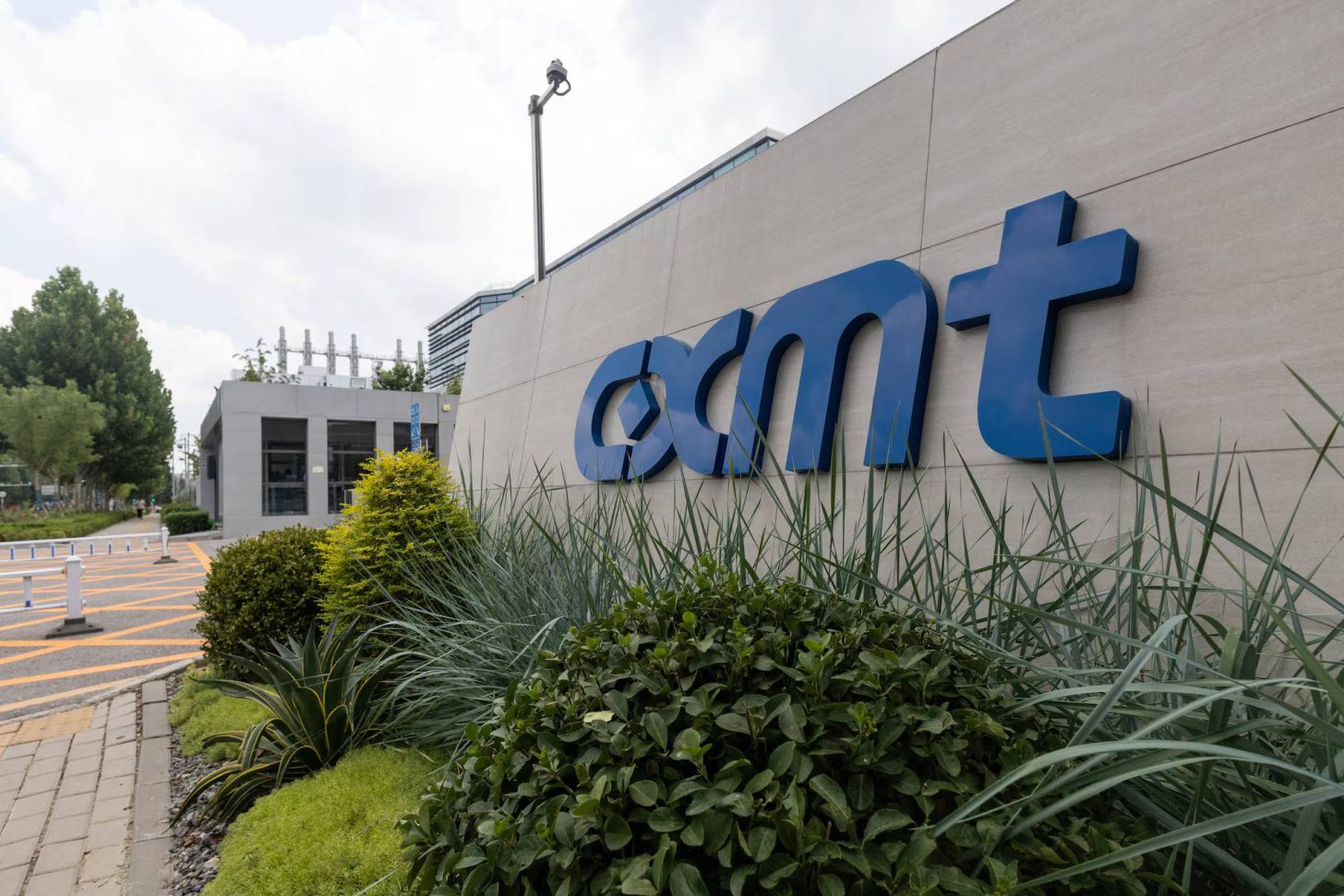
Manufacturers from non-memory sectors are bending over backwards for Apple, offering the technology giant attractive discounts in exchange for long-term business contracts. When it comes to the DRAM category, CXMT isn’t offering any concessions, as a new report states that the Chinese firm not only aims to compete with Micron, Samsung, and SK hynix, but it is also rejecting deals with foreign customers to complete a Herculean task: obtaining self-sufficiency in China’s memory sector.
Taiwanese server manufacturers have also been rejected for the same reason, as CXMT is barely able to keep up with demand from local customers
With CXMT already having supplied local partners like Xiaomi with LPDDR6 DRAM shipments for its in-house XRING 03 , the company has demonstrated that it can stand toe-to-toe with the likes of Samsung, SK hynix, and Micron, with the only bottleneck currently being encountered being sating demand. However, CXMT has apparently rejected both Apple’s memory quote and a Taiwanese server manufacturer.
For the iPhone maker, it is understandable, given that Apple wanted a cheaper supply compared to Micron, SK hynix, and Samsung. For the Taiwanese customer, who required DDR5 chips, the Vice President didn’t know whether it was pressure from the Chinese government or any other policy that prevented CXMT from inking a business deal, or some other reason.
However, it appears to be none of the above, as CXMT is currently meeting demand for its Chinese clientele. What might be puzzling is that there is a swath of customers just waiting to fork over money to obtain the latest DRAM shipments, and the Chinese memory manufacturer is still stubborn in granting them favor.
According to semiconductor industry observer and former general manager of Microdrive Technology, Wu Chin-jung, CXMT’s rigidity stems from a grand plan to achieve self-sufficiency in DRAM for China. Since this plan involves catering to Chinese customers first, CXMT is forced to reject quotes from global giants like Apple.
It might be foolish for the company to maintain this path, but Asia-Pacific research firm Yole’s Huang Mao-yuan believes that CXMT already has a mountain to climb in meeting demand from Chinese customers. In fact, the goal to meet domestic DRAM requirements could last a decade, but the underlying achievement will be that the likes of Huawei and Xiaomi will not have to source memory from Samsung or SK hynix.
Within a year, CXMT is estimated to add 100,000 DRAM wafers per month , but its biggest hurdle is HBM development. The manufacturer isn’t just a latecomer in this category, but U.S. export controls prevent CXMT from obtaining cutting-edge equipment like EUV machinery that helps sustain yields and curb packaging challenges. In fact, the company reportedly cut stock of its HBM supply by 25 percent due to egregious yields .
CXMT’s technology in HBM is two generations behind the three major manufacturers, and catching up will not be easy. Still, the company can address one problem at a time, starting with meeting demand for its Chinese clientele.
Nguồn: Wccftech · Bản dịch tiếng Việt của VGSNews, chỉ để tham khảo.